

Quick Answer
Acne happens when hair follicles become blocked by oil and dead skin, allowing bacteria to multiply and trigger inflammation. It affects most people at some point and is very treatable, but the right approach depends on severity and what's actually driving it for you.
What's actually happening
Acne follows a well-established, four-step process consistent across every major dermatology source: excess oil (sebum) production, blocked hair follicles, bacterial colonisation (Cutibacterium acnes), and the inflammation that follows. It's the most common skin condition seen by dermatologists worldwide, not a sign that something is wrong with your routine.
Lesions themselves fall into distinct categories that behave, and respond to treatment, differently: non-inflammatory comedones (blackheads and whiteheads), inflammatory papules and pustules, and the deeper nodules and cysts that carry the highest risk of lasting marks. This is also why accurate diagnosis matters more than the product you happen to reach for, since two people with visually similar breakouts can need very different treatment strategies depending on what's actually driving theirs.
Explore the severity levels
Tap a level to see how it's typically defined and approached.
Fewer than 30 lesions
Mostly open and closed comedones (blackheads and whiteheads), with a few scattered papules or pustules. This is non-inflammatory or only mildly inflammatory acne. Often manageable with a consistent topical routine, combining a retinoid with benzoyl peroxide, though a doctor can confirm the right combination and concentration for your skin.
What we know, and what's still debated
We'd rather be precise than reassuring — here's what the evidence actually supports.
Hormonal activity (androgens)
Androgens stimulate the sebaceous glands to produce more oil, which is why flares often cluster around puberty, the menstrual cycle, or conditions like polycystic ovarian syndrome.
Genetics
A family history of acne, particularly in both parents, makes it meaningfully more likely you'll experience it too, and can influence how severe it becomes.
Follicle blockage & bacterial colonisation
Dead skin cells and oil clog the follicle, creating conditions where Cutibacterium acnes multiplies and triggers the body's inflammatory response, the core mechanism behind every visible lesion.
Certain medications
Corticosteroids, some hormonal treatments, anticonvulsants and EGFR-inhibitor cancer therapies are recognised drug-induced triggers, distinct from everyday acne.
Cosmetic & mechanical factors
Occlusive skincare, oily hair products, and friction from helmets, collars, straps or phone screens ("acne mechanica") can block pores or irritate the skin directly.
Who's commonly affected
85%
of 12–24 year-olds
have at least minor acne at some point (AAD)
50M+
people affected annually
making it the most common skin condition in the US (AAD)
~15%
of adult women
experience ongoing adult-onset acne, a rising trend
80–90%
of acne scars
are the atrophic (depressed) type rather than raised scarring
While acne is often framed as a teenage concern, adult acne is a genuinely rising pattern, particularly among women, and tends to present differently, often along the jawline and lower face, and linked more closely to hormonal fluctuation than oil alone. It deserves its own assessment rather than being treated the same as adolescent breakouts.
What to expect at your consultation
Visual grading
Your doctor assesses lesion type and count, comedonal, inflammatory or nodulocystic, against established severity frameworks to gauge how significant treatment needs to be.
History review
Onset, triggers, prior treatments tried, current medications, and relevant hormonal history (cycle patterns, PCOS, contraceptive use) are discussed in detail.
Skin & scarring check
Existing marks, early scarring or signs of post-inflammatory pigmentation are noted specifically, since treating these often needs a different approach and timeline than treating active breakouts.
Risk factor screening
Your doctor checks for drug-induced triggers, skin type and darker-skin-specific pigmentation risk, so the plan accounts for your individual response, not just your lesion count.
Personalised plan
Treatment is matched to your severity, skin type, goals and lifestyle, combining topical, oral or adjunctive options as appropriate, not a one-size-fits-all routine.
Important Cautions
- • Picking or squeezing lesions raises the risk of permanent scarring and pigmentation marks, and it's one of the few risk factors genuinely within your control.
- • Post-inflammatory marks can take longer to fade in darker skin tones, and need their own care plan separate from treating the active acne itself.
- • Oral antibiotics are effective for moderate to severe acne, but current guidelines recommend pairing them with benzoyl peroxide and limiting the course length to reduce the risk of antibiotic resistance, not an open-ended prescription.
- • Isotretinoin, when used for severe or resistant acne, requires monitoring and medical supervision given its stronger safety profile; this is never a self-directed treatment.
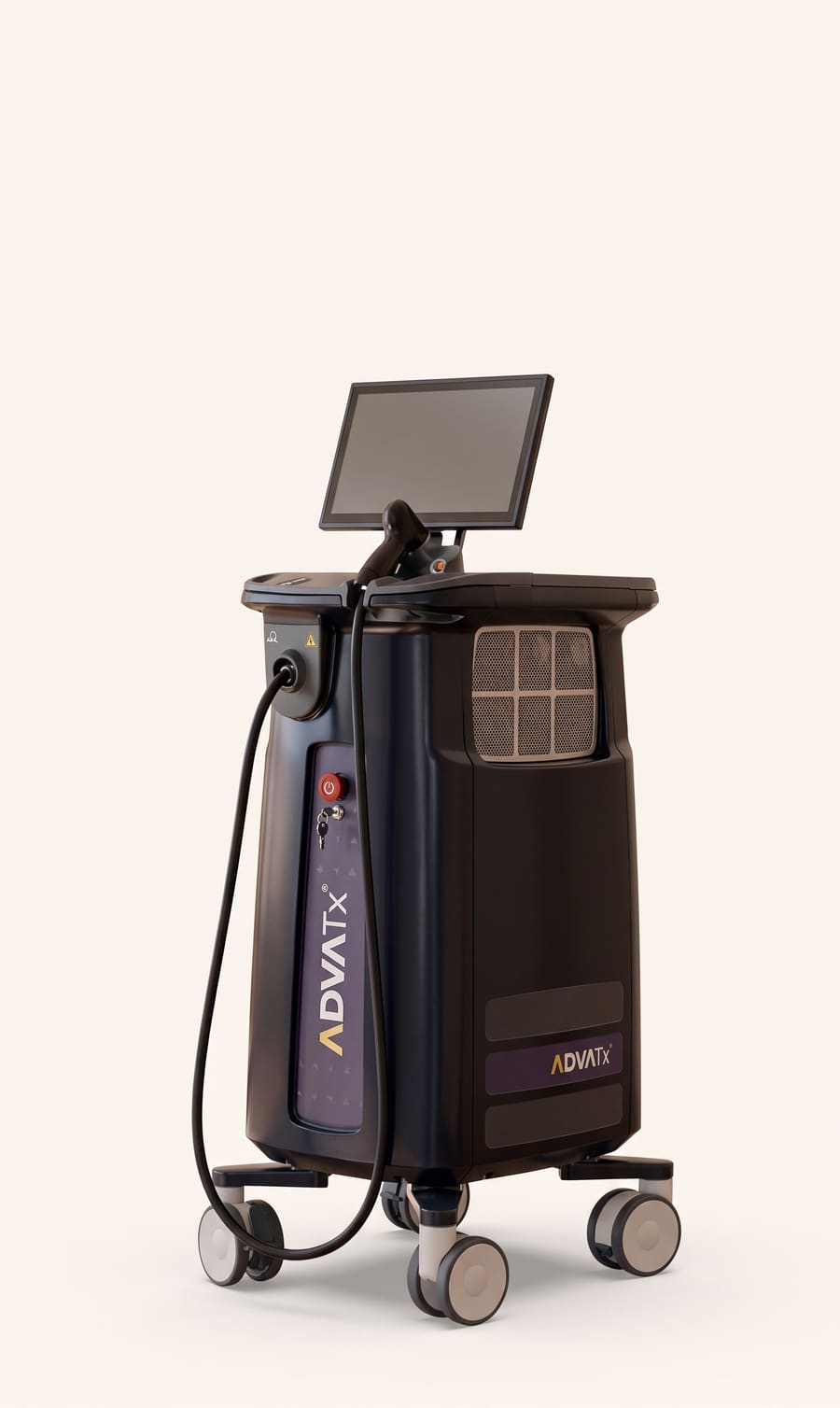
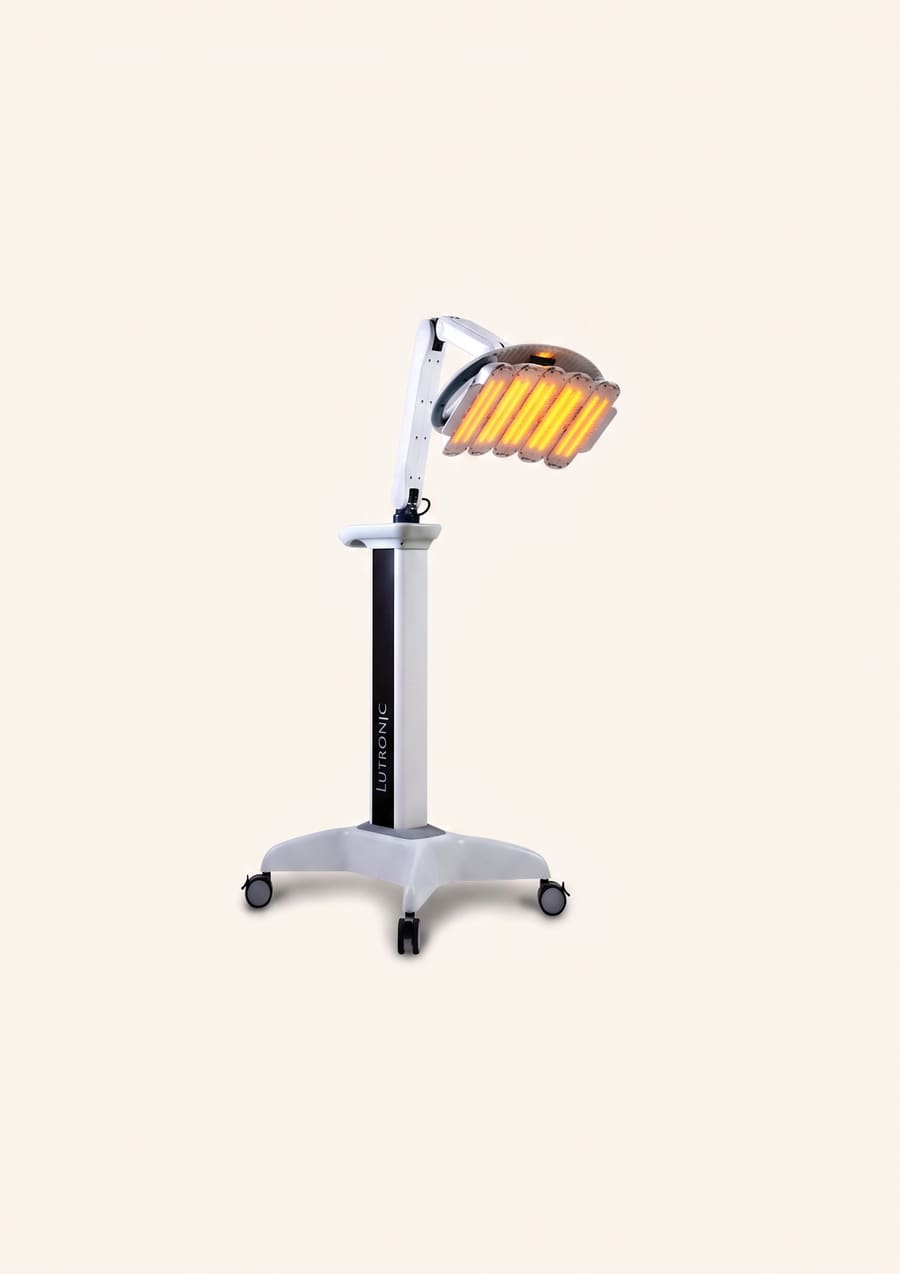
- • Evidence honesty: current dermatology guidelines find insufficient evidence for laser or light-based devices as a primary treatment for active acne. We position energy-based treatments as adjunctive, for marks and texture, not a standalone acne cure.
- • Seek urgent medical assessment for fever, joint or bone pain alongside acne, or ulcerating lesions — rare, but serious.
Treatment categories, by evidence strength
Grouped the way the AAD's 2024 clinical guideline frames them, including where the evidence is genuinely weaker than marketing often suggests.
Strong evidence
Benzoyl peroxide
Reduces acne-causing bacteria. Often combined with other agents, which also helps limit antibiotic resistance.
Topical retinoids
Adapalene, tretinoin and similar agents unclog pores and reduce inflammation. A first-line AAD-recommended class.
Topical antibiotics & azelaic acid
Clindamycin and similar agents, usually combined rather than used alone, plus azelaic acid and salicylic acid as supporting options.
Treatments that may help
Selected and sequenced by your doctor based on your severity and skin — not a one-size-fits-all stack.


Your questions, answered
References
- [1] American Academy of Dermatology — 2024 Acne Clinical Guideline
- [2] American Academy of Dermatology — Acne Statistics
- [3] DermNet NZ — Acne
- [4] Mayo Clinic — Acne: Symptoms & Causes
- [5] Cleveland Clinic — Acne
- [6] NHS — Acne
- [7] JAAD International (2022) — Diet and acne: a systematic review
- [8] StatPearls / NCBI Bookshelf — Acne Vulgaris
This page changes as evidence evolves. It is for general education, not personalised medical advice — a consultation with your doctor confirms suitability, risks and options for you specifically.
Reviewed by Dr. Dinesh Kanasen (MMC 43953) · Last updated 16 October 2026
Not sure what's driving your breakouts?
A doctor-led assessment identifies what's actually causing your acne, so your treatment plan is built around that, not guesswork.