
Quick Answer
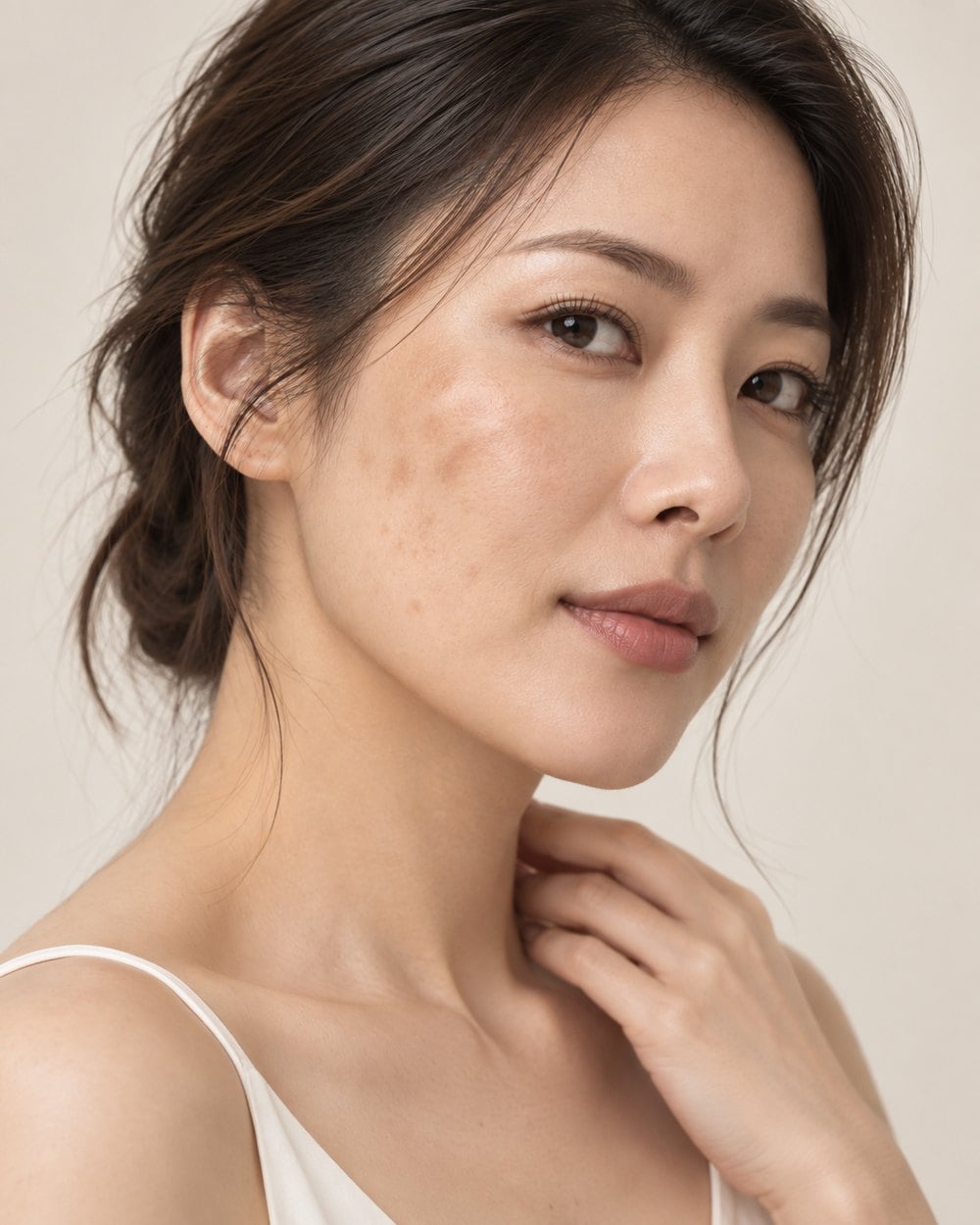
Uneven tone covers several different conditions, melasma, post-inflammatory marks, sun spots and freckles, that look similar but have different causes and respond differently to treatment. Melasma in particular is notoriously stubborn and can worsen with aggressive treatment, so getting the right diagnosis before choosing a laser or peel matters more here than almost anywhere else in skin care.
What's actually happening
Hyperpigmentation happens when melanocytes, the skin's pigment-producing cells, overproduce melanin in response to triggers like UV and visible light, inflammation, or hormones. Where that pigment sits matters: epidermal pigment (nearer the surface) tends to respond to treatment, while dermal pigment, released and trapped deeper by immune cells, is longer-lasting and resists topical treatment.
Several distinct conditions fall under "uneven tone": melasma (a photoageing disorder triggered by UV and hormones, in genetically predisposed people), post-inflammatory hyperpigmentation or PIH (follows an injury like acne or eczema), solar lentigines or sun spots (permanent, from cumulative UV exposure), and freckles (an inherited trait, not a condition). Each needs a different conversation about what treatment can realistically achieve.
Explore the different pigmentation types
Tap a type to see what drives it and how treatable it typically is.
Hardest to treat, most likely to recur
Symmetrical, blotchy brown-grey patches, usually triggered by UV or visible light and hormones (pregnancy, contraceptives, HRT). Response depends on how deep the pigment sits, epidermal pigment improves, dermal pigment resists treatment. Even in good responders, pigment often reappears with summer sun exposure.
What we know, and what's still debated
Four different conditions, four different conversations about what treatment can realistically do.
UV and visible light exposure
The most common trigger across all four conditions; for melasma specifically, even blue light from screens and light bulbs can worsen it.
Hormonal changes
Pregnancy, hormonal contraceptives and hormone replacement therapy are implicated in roughly a quarter of melasma cases.
Genetics
Family history is reported in around 60% of melasma patients; freckles are a directly inherited trait tied to the MC1R gene.
Skin injury or inflammation
The direct trigger for post-inflammatory hyperpigmentation, following acne, eczema, burns or irritation.
Darker skin tone
Higher baseline melanin and more reactive melanocytes mean darker and Asian skin tones carry a higher risk of pigmentation, and of treatment making it worse if not chosen carefully.
Who's commonly affected
~25%
of melasma cases
linked to pregnancy or hormonal contraceptives
60%
of melasma patients
report a family history of the condition
60–80%
clearance reported
with combination topical therapy in some studies
Months to years
typical duration
melasma can persist long-term without consistent sun protection
Mayo Clinic specifically names Black, Asian and Hispanic women as a higher-risk group for melasma, directly relevant for a predominantly Asian patient population, where aggressive or poorly chosen treatment carries a genuinely elevated risk of making pigmentation worse, not better.
What to expect at your consultation
Condition identification
Distinguishing melasma, PIH, sun spots and freckles first, since each needs an entirely different treatment conversation.
Pigment depth assessment
Checking whether pigment sits in the epidermis (more treatable) or deeper in the dermis (more resistant), which shapes realistic expectations from the outset.
Trigger review
Checking for hormonal medications, pregnancy, sun exposure patterns and how your skin has reacted to past treatments.
Skin tone risk check
Given the elevated risk of pigmentation treatments backfiring in darker skin, your doctor selects techniques and settings accordingly, not a one-size-fits-all protocol.
Realistic timeline plan
Setting expectations around a 3 to 12+ month treatment arc, with sun protection built in as foundational, not optional, from day one.
Important Cautions
- • Aggressive treatment can genuinely make pigmentation worse, not better. Lasers, peels, IPL and microneedling all carry a documented risk of worsening melasma or triggering new pigmentation, especially in darker and Asian skin tones.
- • There's no guaranteed permanent fix for melasma; sun re-exposure is the single most common cause of relapse after otherwise successful treatment.
- • Only a qualified doctor should assess and select peel or laser treatment given this risk profile; a stronger setting isn't automatically a better choice.
- • A proper diagnosis should come first, since some other conditions, including certain skin changes, can resemble melasma and need to be ruled out.
- • If a pigmented patch changes shape, bleeds, or grows rapidly, this needs prompt medical assessment to rule out other causes, not cosmetic treatment.
Treatment categories, by evidence strength
Sun protection is foundational to every category below; without it, every other treatment underperforms or relapses.
Essential, strong evidence
Broad-spectrum sun protection
SPF 30–50+, ideally tinted with iron oxides to also block visible light. Without this, every other treatment underperforms or relapses.
Addressing the trigger
Where feasible, adjusting a triggering hormonal medication, or treating underlying acne or eczema that's causing PIH.
Treatments that may help
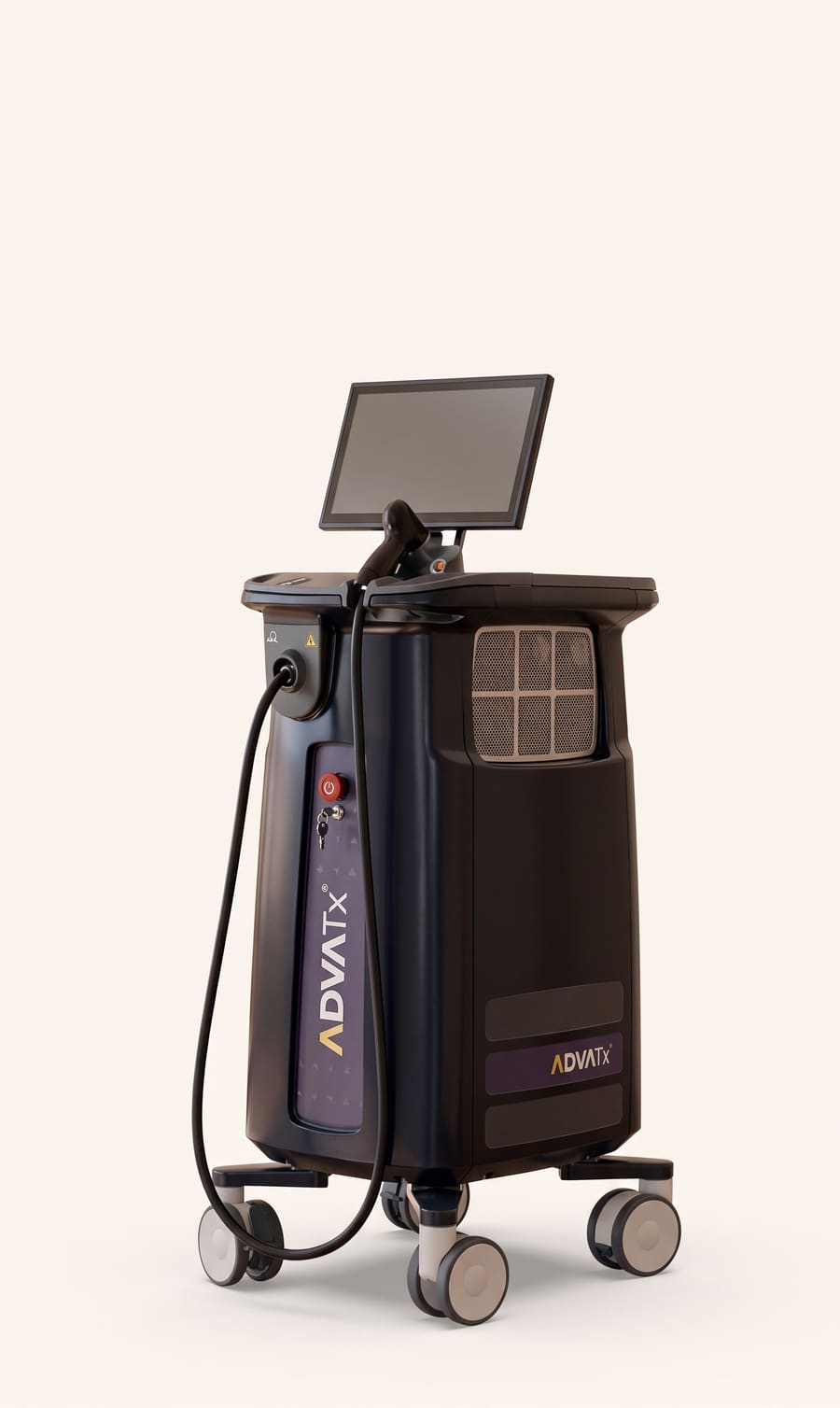
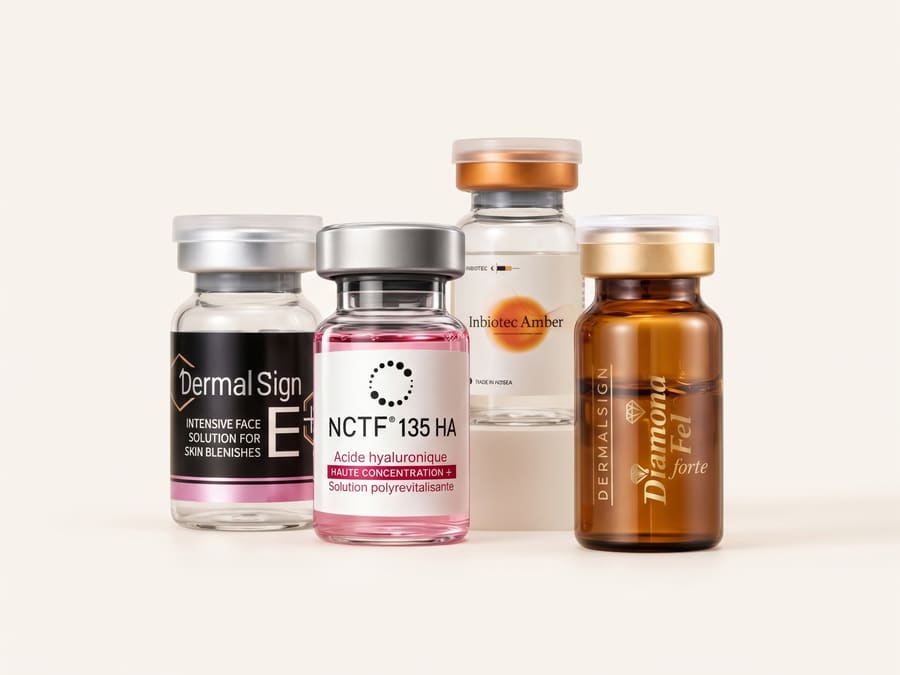
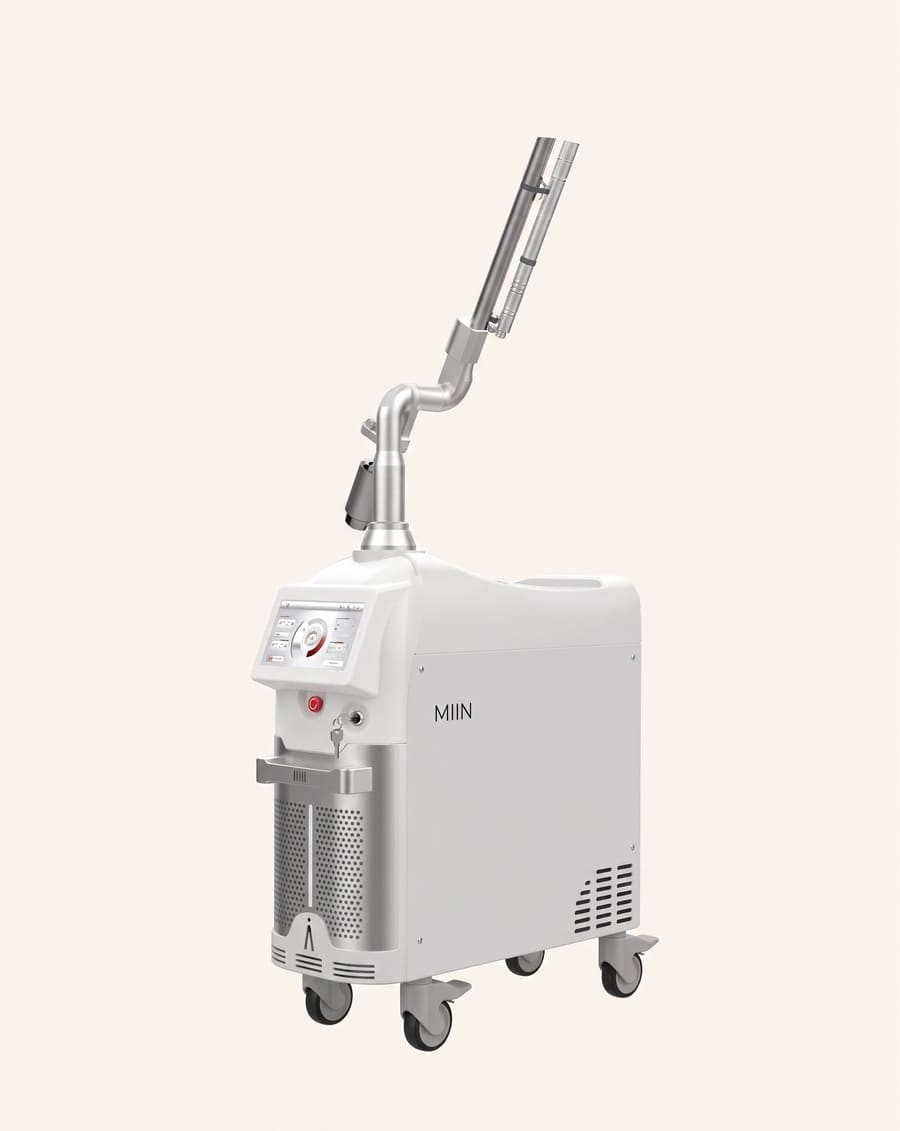
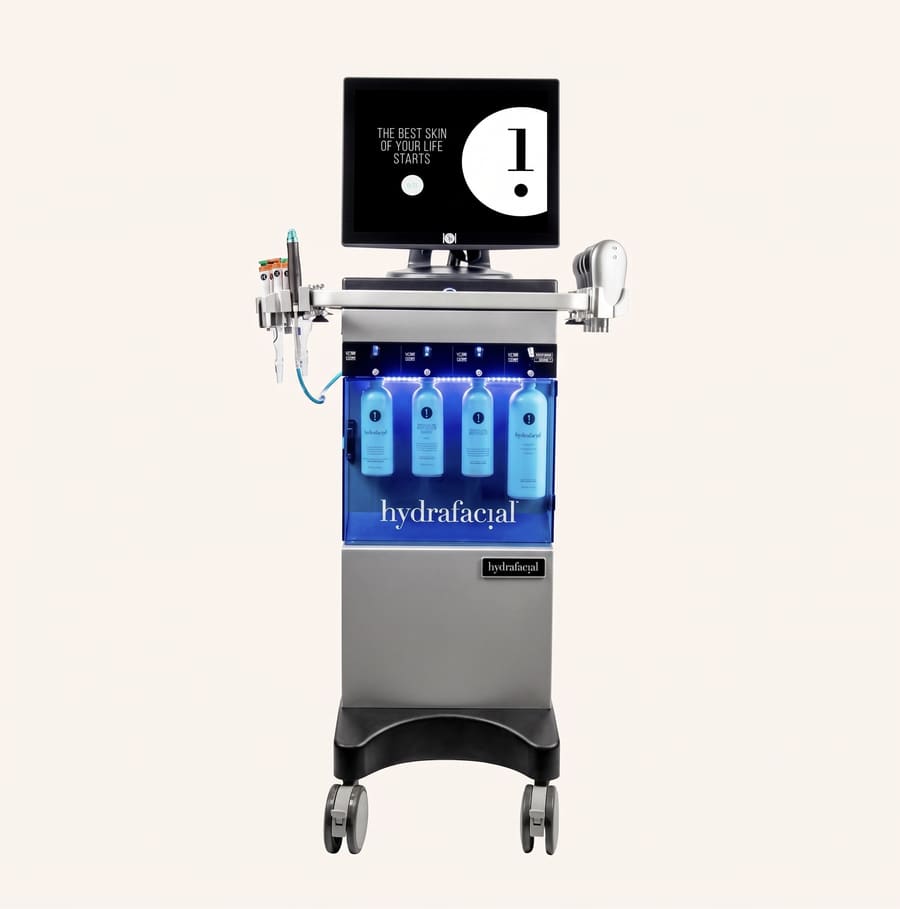
Your doctor confirms your exact pigmentation type and skin response before recommending any laser, light or peel-based option.
Your questions, answered
References
- [1] American Academy of Dermatology — Melasma: Diagnosis and Treatment
- [2] DermNet NZ — Melasma
- [3] DermNet NZ — Postinflammatory Hyperpigmentation
- [4] American Academy of Dermatology — Age Spots
- [5] Cleveland Clinic — Melasma
- [6] StatPearls / NCBI Bookshelf — Postinflammatory Hyperpigmentation
This page changes as evidence evolves. It is for general education, not personalised medical advice — a consultation with your doctor confirms suitability, risks and options for you specifically.
Reviewed by Dr. Dinesh Kanasen (MMC 43953) · Last updated 16 October 2026
Not sure which type of pigmentation you have?
An accurate diagnosis, not a stronger laser setting, is what actually protects your skin and your results.