

Quick Answer
Skin laxity comes from a combination of collagen and elastin loss, shifting facial fat, and bone remodelling that happens gradually with age. Non-surgical tightening options genuinely help with mild to moderate laxity, but the AAD is explicit that they "cannot give you the results of a surgical procedure," so matching the right option to your actual degree of laxity matters more than chasing the newest device.
What's actually happening
Collagen makes up 70 to 80% of the dry weight of skin and gives the dermis its structure; elastin provides the stretch. Both decline gradually with age. Facial ageing also follows a layered "inside-out" pattern: the facial bone structure itself resorbs in predictable areas, deeper fat pads shrink while some superficial ones can reposition, and only then does the skin's own sagging become visible on top of these structural changes.
This is why skin laxity usually isn't about the skin alone. The AAD is direct on this point: minimally invasive procedures "cannot give you the results of a surgical procedure," and are better suited to people with a small amount of sagging skin, candidacy also depends on a healthy weight, non-smoking status, limited alcohol and good sun protection, since these all affect how well any tightening approach actually works.
Explore mild to significant laxity
Tap a degree to see which approach genuinely fits, and which doesn't.
Suited to non-surgical options
Early, subtle sagging. Non-invasive options like ultrasound, radiofrequency or certain lasers can offer modest, worthwhile tightening with little to no downtime.
What we know, and what's still debated
What genuinely drives laxity, and where "non-surgical facelift" marketing tends to overpromise.
Collagen and elastin decline
These proteins give skin its structure and stretch; both decline gradually with age, reducing firmness over time.
Facial fat pad changes
Deeper fat compartments shrink while some superficial pads can reposition, changing facial contour independently of the skin itself.
Bone remodelling
The facial skeleton resorbs in predictable patterns with age, changing the structural foundation that skin and fat sit on.
UV exposure, smoking & genetics
All named as accelerating factors on top of ordinary ageing, affecting how quickly and how visibly laxity develops.
Who's commonly affected
2–6 months
for visible ultrasound results
modest lifting and tightening, may need repeat treatments
Up to 2–3 years
radiofrequency results can last
with good skin care, per some cited studies
18–30%
laxity improvement
reported in a HIFU systematic review of 45 studies
Short-term
typical non-surgical duration
Cleveland Clinic's own framing of these results
The AAD is direct about this: minimally invasive procedures "cannot give you the results of a surgical procedure." That's not a sales objection, it's the honest ceiling on what energy-based and injectable tightening can do.
What to expect at your consultation
Laxity grading
Your doctor assesses the degree of sagging using standardised visual grading, not guesswork, to match technique to severity.
Candidacy check
Healthy weight, non-smoking status, sun protection habits and realistic goals are all factored in, since they genuinely affect outcomes.
Technique matching
Ultrasound, radiofrequency, laser or injectable biostimulators are matched to your specific degree and pattern of laxity.
Expectation setting
A clear, honest conversation about what's realistically achievable without surgery, before any treatment begins.
Surgical referral where appropriate
For significant laxity, a surgical option is discussed honestly rather than oversold with repeated, lower-yield non-surgical sessions.
Important Cautions
- • Non-surgical tightening gives modest, gradual, temporary results; it is genuinely not a substitute for surgery in significant laxity, per the AAD's own guidance.
- • Downtime and risk still exist even for "non-invasive" options: minimally invasive radiofrequency can involve sedation and several days of recovery, and laser resurfacing carries a real risk of prolonged redness or scarring.
- • Results require maintenance; most non-surgical tightening options need repeat sessions to sustain their effect over time.
- • Candidate factors, weight, smoking, sun exposure, genuinely affect your results, not just the device or technique chosen.
- • Facial numbness, loss of movement, or worsening pain after any tightening or injectable treatment needs prompt medical attention, not a wait-and-see approach.
Treatment categories, by evidence strength
From gentlest to most dramatic — matched honestly to how much laxity you're actually addressing.
Modest, well-tolerated
Ultrasound (HIFU)
Reaches deeper tissue planes without breaking the skin; studies report 18–30% laxity improvement, visible over 2–6 months.
Radiofrequency
Heats the dermis to support gradual tightening; results can last up to 2–3 years with good skin care per some studies.
Certain lasers
Non-invasive laser options tend to need 3–5 sessions, with results appearing 2–6 months after the last treatment.
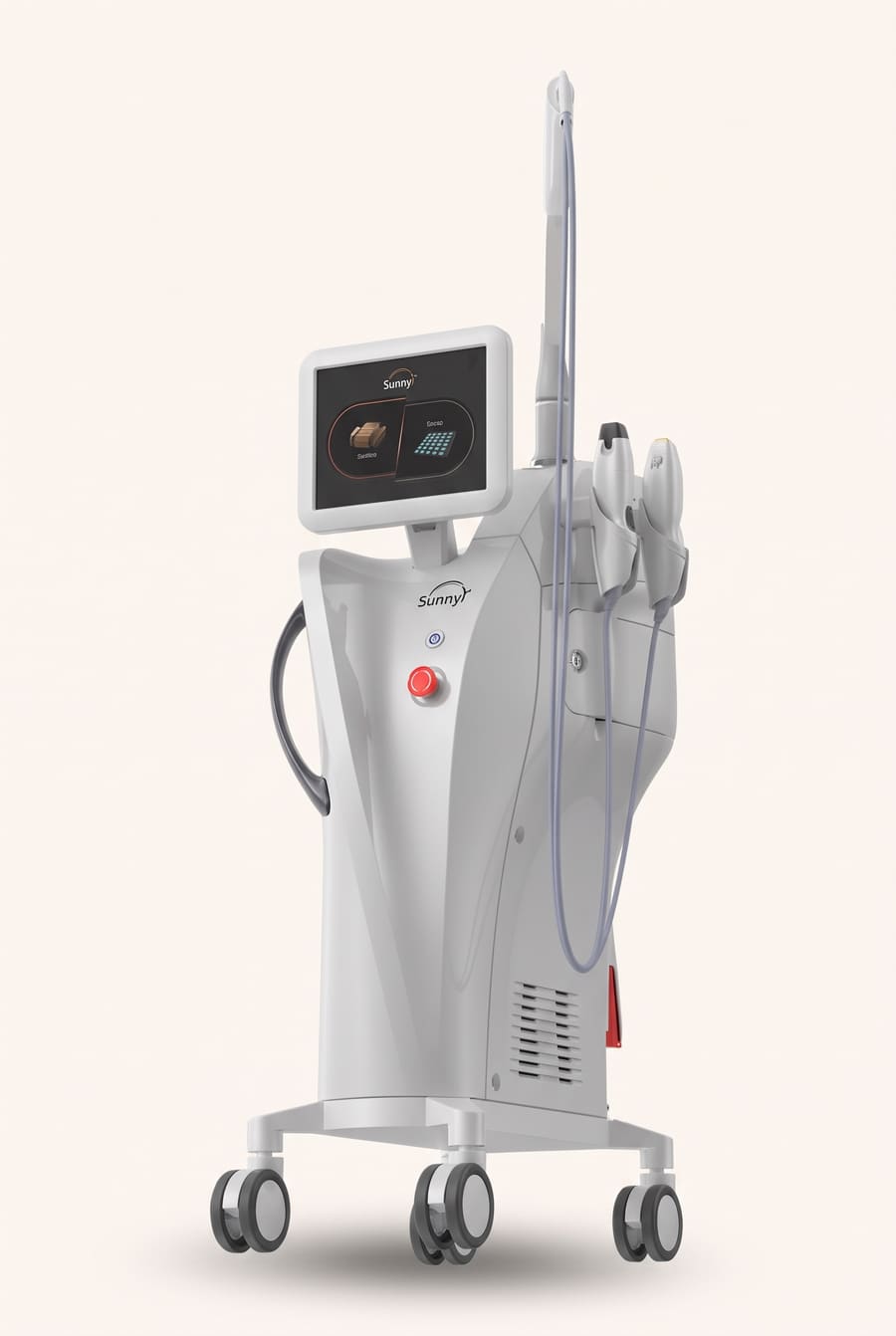
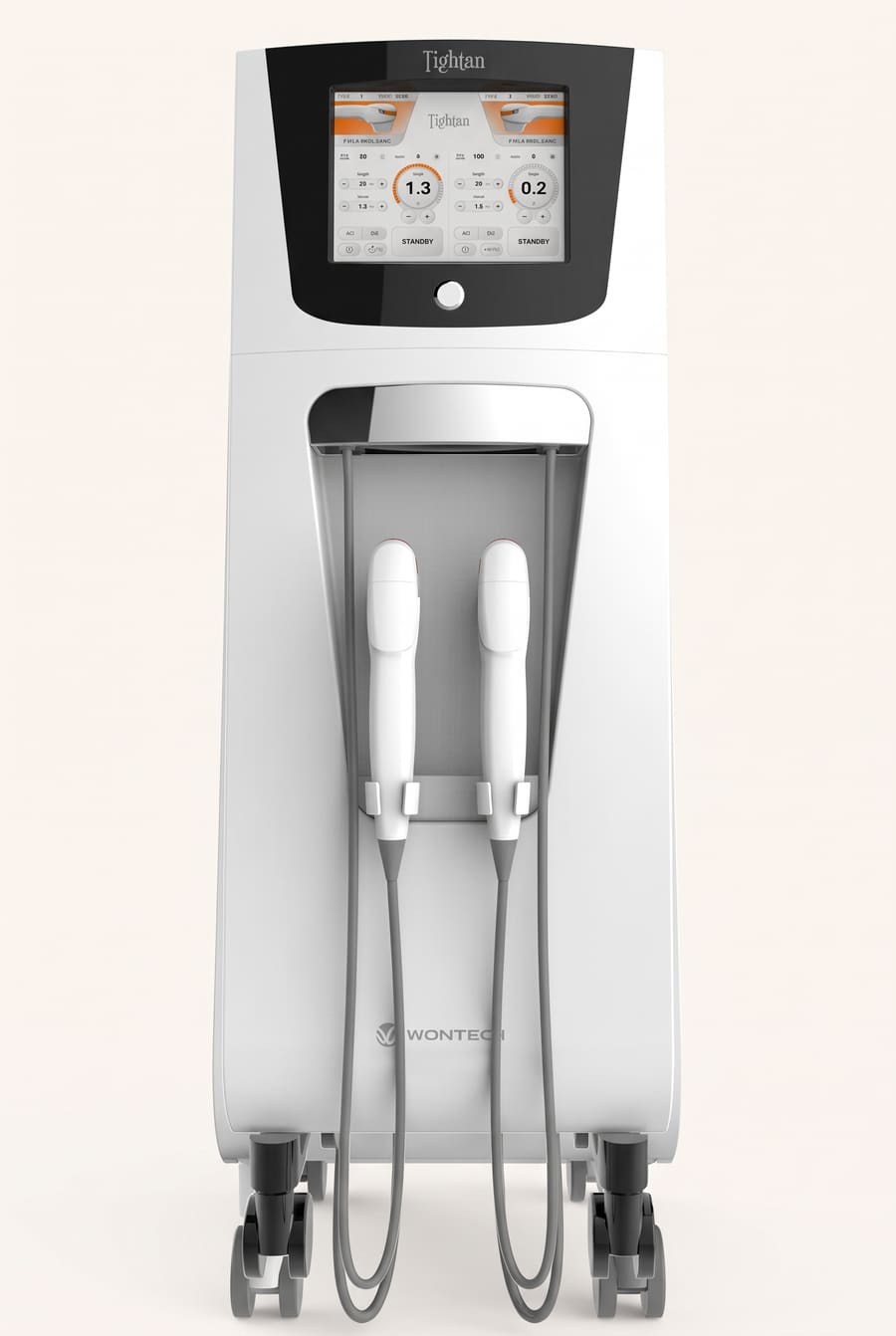
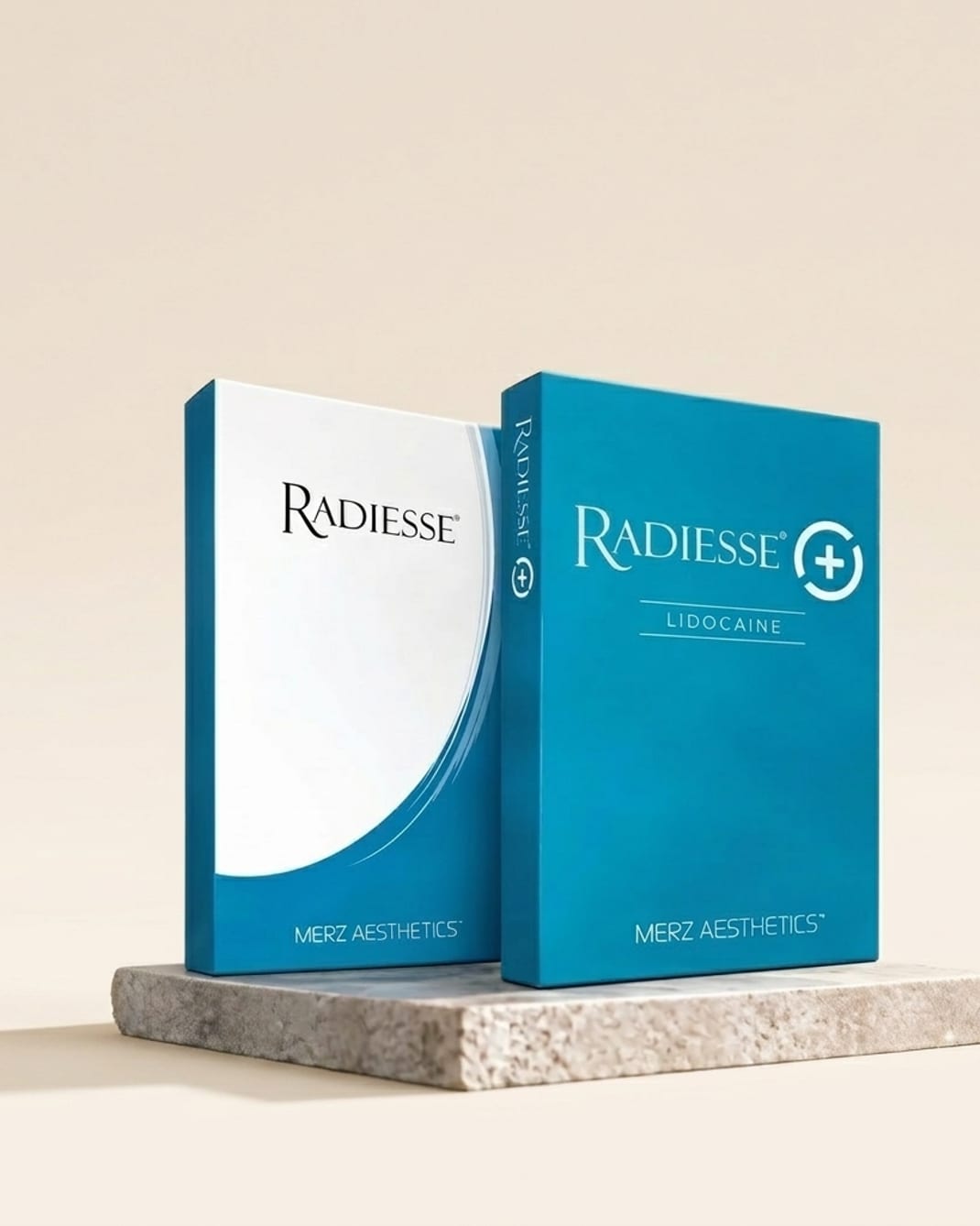
Treatments that may help
Matched to your actual degree of laxity, with an honest conversation about where non-surgical options reach their ceiling.

Your questions, answered
References
- [1] American Academy of Dermatology — Firm Sagging Skin
- [2] American Society for Dermatologic Surgery — Injectable Poly-L-Lactic Acid
- [3] Cleveland Clinic — Non-Surgical Facelift
- [4] Mayo Clinic — Wrinkles: Symptoms and Causes
- [5] PMC — The Facial Ageing Process From the Inside Out
This page changes as evidence evolves. It is for general education, not personalised medical advice — a consultation with your doctor confirms suitability, risks and options for you specifically.
Reviewed by Dr. Dinesh Kanasen (MMC 43953) · Last updated 16 October 2026
Wondering what's realistic for your degree of laxity?
An honest, doctor-led assessment tells you whether non-surgical tightening fits your goals, before you commit to a course of treatment.