

Quick Answer
Skin ageing comes from two combined processes: intrinsic (genetic, hormonal, inevitable) and extrinsic (mostly sun exposure, plus smoking and pollution). Sun protection and prescription retinoids have the strongest evidence behind them of anything in skin care; many popular "anti-ageing" supplements and cosmetic products have far thinner evidence than their marketing suggests, and no treatment reverses the underlying biological process.
What's actually happening
Skin ageing involves gradually declining collagen and elastin, the proteins that give skin its structure and stretch, driven by enzymes that fragment existing collagen faster than it's replaced, along with reduced hydration and slower cell turnover. "Skin quality" is a broader concept than wrinkles alone, encompassing texture, tone evenness, hydration and firmness together.
Intrinsic ageing is genetic and hormonal (notably reduced oestrogen after menopause), producing thin, dry, finely wrinkled skin, and can't be stopped, only supported. Extrinsic ageing, dominated by cumulative UV exposure (photoageing), plus smoking and pollution, causes deeper wrinkling, uneven pigmentation and visible blood vessels, and is largely the part within your control through daily sun protection.
Explore intrinsic vs extrinsic ageing
Tap each type to see what drives it and how much is actually within your control.
Genetic & hormonal, inevitable
Driven by genetics and reduced hormone levels, notably oestrogen after menopause, causing gradual collagen loss, thinning and reduced elasticity. This process can't be stopped, only supported through consistent skin care.
What we know, and what's still debated
What's genuinely evidenced, and where marketing tends to outrun the science.
UV exposure (photoageing)
Degrades collagen and elastin directly and is repeatedly named the dominant driver of visible premature ageing by dermatology organisations.
Reduced collagen & elastin production
Gradual with age, accelerated by enzymes that fragment existing collagen faster than fibroblasts can replace it.
Smoking
Narrows blood vessels and raises collagen-degrading enzyme activity, a mechanism distinct from, and additive to, sun damage.
Hormonal changes
Reduced oestrogen, particularly after menopause, is linked to thinner, less elastic, more quickly ageing skin.
Who's commonly affected
90%
of visible ageing
often attributed to sun exposure (commonly cited by dermatology bodies)
3–6 months
for visible retinoid results
consistent use needed before meaningful change appears
SPF 30+
daily, every day
the single most evidence-backed anti-ageing intervention there is
25+ months
reported collagen benefit
from biostimulator injectables where measured in trials
No treatment, topical, injectable or energy-based, reverses the underlying biological ageing process. Every legitimate option works by slowing visible signs or supporting what the skin already does less of over time, which is why foundational care matters more than any single procedure.
What to expect at your consultation
Skin quality mapping
Assessing texture, tone evenness, hydration and firmness individually, not just counting wrinkles.
Intrinsic vs extrinsic weighting
Distinguishing how much of your presentation is genetic and hormonal versus sun and lifestyle-driven, since this changes what's actually modifiable.
Current routine review
Checking existing skin care, sun protection habits and any supplements or treatments already in use.
Realistic goal-setting
Aligning expectations with what's actually evidenced, gradual, supportive change, rather than marketing promises of reversal.
Personalised, layered plan
Combining daily sun protection, topical actives and, where appropriate, procedural support, built around your actual skin quality.
Important Cautions
- • No treatment, cream, injectable, laser or device, reverses ageing. Every legitimate option reduces visible signs or supports the skin's existing processes.
- • Results from genuinely evidenced treatments, retinoids, biostimulators, take months to appear and require consistent, ongoing use to maintain.
- • Many "anti-ageing" supplement and cosmetic-product claims are not backed by the same quality of evidence as prescription retinoids or daily sun protection; be wary of specific numeric promises.
- • Treatment results are consistently undermined without daily sun protection, this isn't optional groundwork, it's foundational to any plan.
- • A changing mole, a sore that won't heal, or a new growth needs prompt medical assessment, since these can indicate a skin condition requiring diagnosis rather than ordinary ageing.
Treatment categories, by evidence strength
Foundational care does more of the work than any single in-clinic treatment; procedures build on top of it, not instead of it.
Strongest evidence available
Daily broad-spectrum sunscreen
The single most evidence-backed intervention for slowing premature ageing, reapplied every two hours outdoors.
Prescription retinoids
Tretinoin and similar agents have the strongest topical evidence base for reducing wrinkles, visible after 3–6 months of consistent use.
Treatments that may help
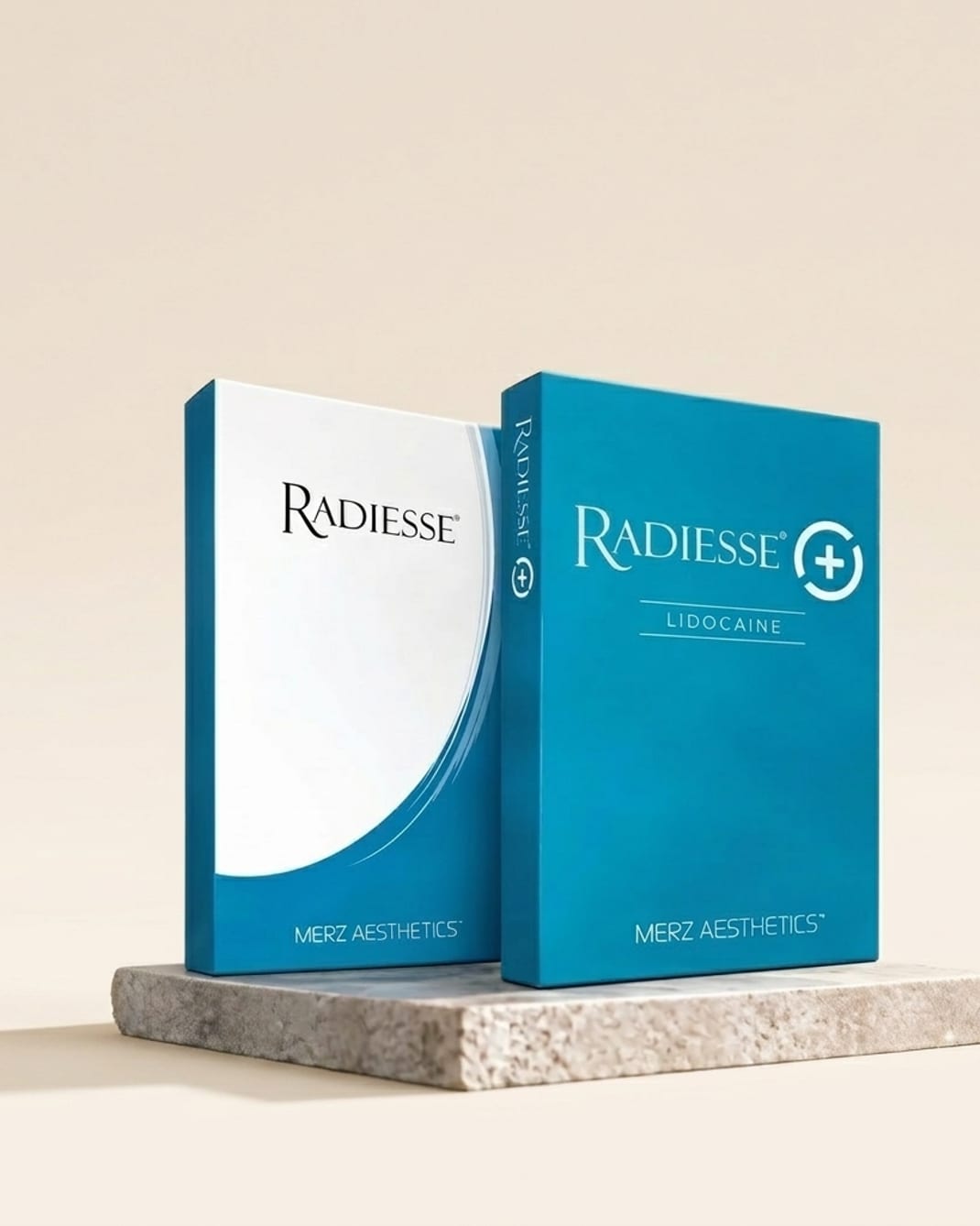
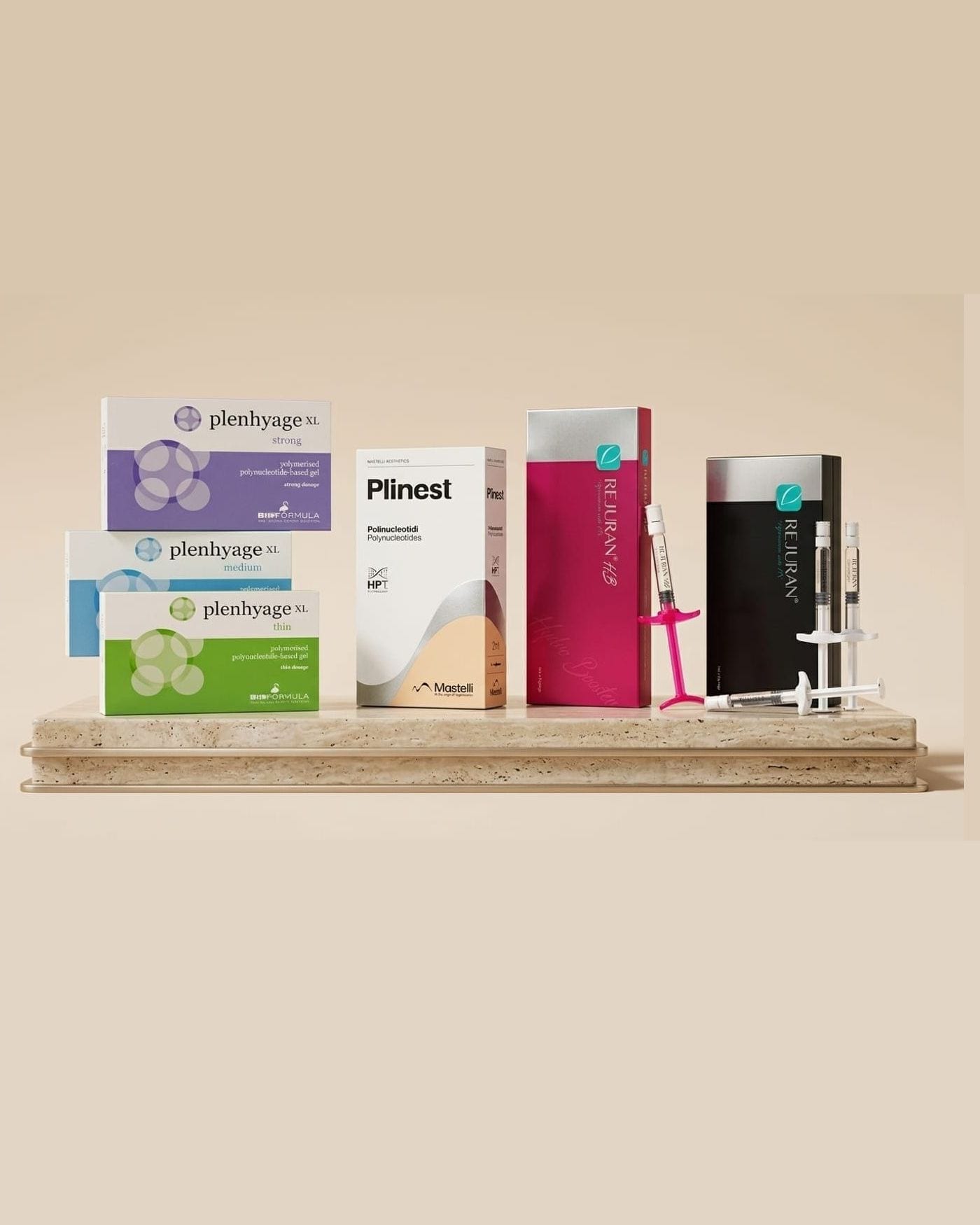
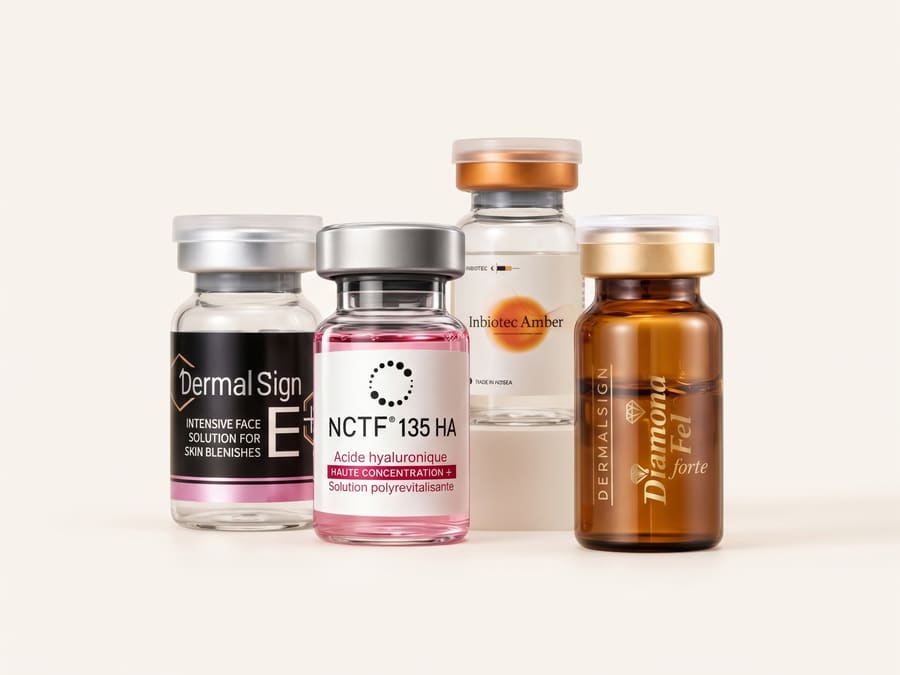
Layered around your skin's own biology — daily sun protection and consistent care do more of the work than any single in-clinic treatment.

Your questions, answered
References
- [1] DermNet NZ — Ageing Skin
- [2] American Academy of Dermatology — Sun Damage
- [3] American Academy of Dermatology — Wrinkles: Sun Damage Can Be Treated
- [4] American Academy of Dermatology — Survey: Sunscreen and Skin Ageing
- [5] PMC — Influences on Skin and Intrinsic Ageing
This page changes as evidence evolves. It is for general education, not personalised medical advice — a consultation with your doctor confirms suitability, risks and options for you specifically.
Reviewed by Dr. Dinesh Kanasen (MMC 43953) · Last updated 16 October 2026
Looking to support your skin's long-term quality?
A doctor-led plan prioritises what's actually evidenced, starting with protection, before adding procedures.